
Have you ever woken up on a snowy morning and wondered, “Will school be closed today?” Many students go to bed hoping for that surprise announcement, while parents and teachers are left checking their phones and local news for updates. Snow days can feel like unexpected holidays for kids, but they can also create challenges for families who need to adjust schedules and childcare. The big question is, how do schools decide when to cancel classes, and can you actually predict school closures just by looking at weather forecasts?
That is exactly where learning to read the weather and using tools such as the Snow Day Calculator becomes useful. While no one can be right every single time, understanding how schools make these decisions can help students and families prepare better.
Why Do Schools Close for Snow Days?
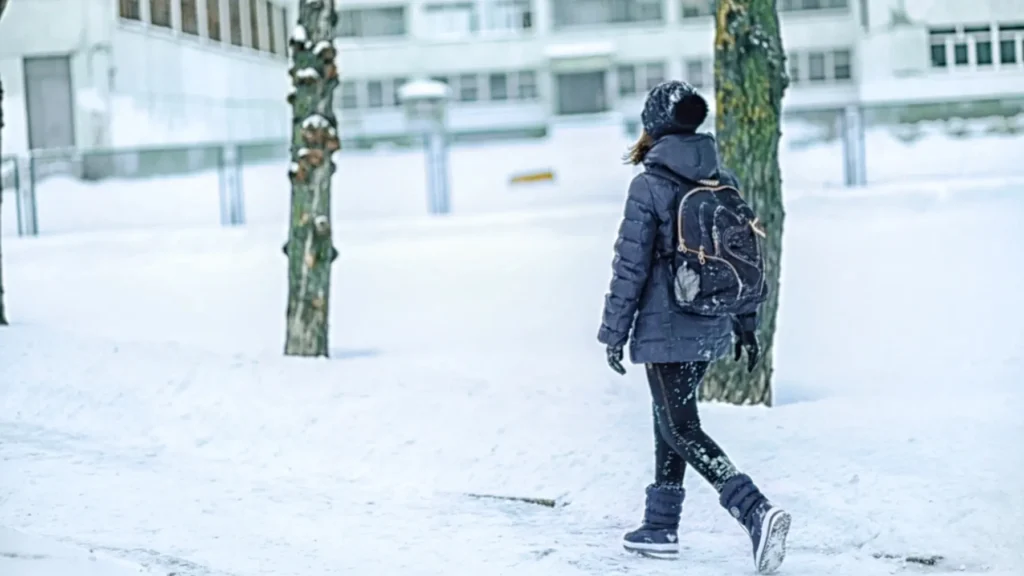
The number one reason schools close during winter weather is safety. When snow or ice covers the roads, buses, cars, and even students walking to school face serious risks. School districts are responsible for keeping students safe, and if the weather creates dangerous conditions, canceling school is often the best option.
Transportation is a big part of the decision. School buses are large and heavy, but even they struggle on icy roads or in heavy snowstorms. Many school districts include rural areas where roads are not cleared quickly, making travel even more dangerous. Sometimes closures happen not because of the roads but because of issues with the school buildings themselves. For example, extremely cold weather can freeze pipes, power outages can shut down heating systems, and problems like that can make it unsafe or uncomfortable for students to be inside the school.
How Do Schools Decide on a Closure?
The process of deciding whether to close school often starts the night before a storm is expected. Superintendents and other officials closely monitor weather forecasts from trusted sources such as the National Weather Service. They pay attention to the predicted amount of snowfall, the timing of the storm, possible ice warnings, and whether the wind chill will make it too dangerous for students to wait outside for buses.
These officials do not make the decision alone. They often talk with local police, road crews, and transportation departments to understand how safe the roads will be in the morning. In many districts, staff members even drive around at four or five o’clock in the morning to see the conditions for themselves before making the final call. The decision is never taken lightly, because canceling school affects parents, teachers, and students. Still, safety always outweighs inconvenience.
Can You Predict School Closures Yourself?
The truth is, yes, you can make a pretty good guess. While you are not the one making the official decision, you can learn to watch the same signs that schools use. Paying attention to weather forecasts, learning how your district has reacted in the past, and using tools like a Snow Day Calculator can give you a solid idea of whether school might be canceled.
The Snow Day Calculator is especially fun because it takes actual forecast data and turns it into a percentage chance that your school will be closed. For example, you might see a prediction of twenty percent, which means school will most likely be open, or a prediction of ninety percent, which means there is a strong chance of a snow day. While it is not perfect, it provides a simple and easy way to make a prediction without having to analyze every detail yourself.
Understanding Weather Forecasts
To predict school closures, you first need to understand the basics of weather forecasts. Snowfall amounts are one of the most obvious clues. A small amount of snow, such as one to three inches, usually will not close schools in areas that are used to dealing with winter weather. However, if four to six inches are expected, the chances of a delay or closure go up, especially in regions that do not handle snow well. If a forecast predicts more than six inches, particularly if it falls overnight, there is a strong chance that school will be canceled.
Ice is even more dangerous than snow. Freezing rain and sleet can turn roads into sheets of ice, and even a thin layer can make travel impossible. This is one of the most common reasons schools cancel classes, because icy conditions can be unpredictable and very unsafe.
The timing of the storm is another key factor. If snow falls heavily overnight, it can make the morning commute dangerous, which often leads to cancellations. If the storm begins during the school day, districts may consider early dismissals to get students home safely. On the other hand, if snow is predicted to start late in the evening after school hours, it may not affect classes at all.
Finally, temperature and wind chill matter too. Even when there is little snow, schools sometimes close because extreme cold can be dangerous for children waiting at bus stops. For example, if the wind chill is far below zero, the risk of frostbite becomes serious, and it is safer to keep students at home.
How the Snow Day Calculator Helps
The Snow Day Calculator makes all of these factors easy to understand. Instead of trying to figure out how snow amounts, ice, timing, and temperatures combine, the tool takes the forecast and gives you a percentage. All you need to do is enter your zip code and some details about your school, and the calculator does the rest. Students often use it for fun, but parents also find it helpful when planning for possible schedule changes.
Factors That Influence School Closures
Not every school reacts to snow in the same way. Where you live makes a big difference. In northern states such as Minnesota, New York, or Michigan, schools are more prepared for snow and may not cancel unless a major storm hits. In southern states such as Texas, Georgia, or Tennessee, even a small amount of snow or ice can shut everything down, because cities there do not have the same plows and salt trucks as northern areas.
School district policies also play a role. Some districts are known for being strict and rarely cancel, while others close more quickly. Rural areas often close more often than city schools, because their buses travel longer distances on roads that are not cleared as quickly.
The ability of a city to clear roads also makes a difference. Large cities with strong snow removal systems can keep schools open more often than smaller towns. All of these factors come together when a district makes the decision.
How You Can Predict a Snow Day at Home
If you want to practice predicting school closures, you can start by checking the weather forecast the night before. Pay close attention to snow amounts, ice warnings, and when the storm is expected to arrive. Notice how your local district has handled similar situations in the past, because history often repeats itself.
On stormy nights, you can also watch what nearby districts are announcing. If the schools around you start to close, there is a good chance your school will too. Sometimes forecasts are not perfect, so waking up early to see the real conditions outside can give you another clue. Of course, the quickest and easiest way is to use the Snow Day Calculator, which pulls all the information together and gives you a clear prediction.
Common Misunderstandings About Snow Days
Many people believe that schools cancel just to make students happy, but that is not true. The main reason is always safety. Others think that it takes a huge amount of snow to close schools, but sometimes even a small amount of ice can be more dangerous than several inches of snow. Another common misunderstanding is that the Snow Day Calculator is always correct. While it is a helpful tool, it is still only a prediction, not a guarantee.
Why Predicting Snow Days Matters
For students, predicting snow days can help you prepare for homework deadlines, upcoming tests, and after-school activities. Knowing whether there is a chance of cancellation can help you organize your evening better. For parents, it is even more important because school closures affect work schedules, childcare, and family routines. Being able to predict school closures helps families stay one step ahead instead of scrambling at the last minute.
The Future of Snow Day Predictions
Technology continues to improve, and predictions are becoming more accurate every year. Some schools already use apps and automated systems to alert families quickly when they make a decision. As forecasting tools get better, the Snow Day Calculator and similar resources will continue to improve as well. The future may even bring real-time updates that are nearly as accurate as the decisions schools make.
Conclusion
So the next time you look outside and see snow falling, you will know what to watch for. Think about how much snow is predicted, whether ice is in the forecast, and what time the storm will arrive. Consider how your district has reacted in the past and whether nearby schools are announcing closures. And of course, use the Snow Day Calculator to make your best prediction.
Snow days are not just about enjoying a day off school; they are about keeping students, teachers, and families safe. By understanding how the process works and practicing your prediction skills, you can turn a snowy forecast into a pretty good guess about whether you will be heading to class or staying home in your pajamas.
FAQ’s About Predict School Closures
How do schools decide to close during bad weather?
Schools look at snowfall, ice, road conditions, and extreme cold. They also talk with local authorities and sometimes drive the roads early in the morning before deciding to delay or cancel classes for safety.
Can I predict a snow day at home?
Yes! By checking weather forecasts, knowing your district’s patterns, and using a Snow Day Calculator, you can make a good guess. While not 100% certain, these steps give a strong idea of whether school may close.
Is the Snow Day Calculator accurate?
The Snow Day Calculator gives predictions based on weather data, but it is not always perfect. It provides probabilities, not guarantees. Still, it’s a fun and useful tool for students and parents to plan ahead.
Why do some schools close more often than others?
Schools close more often in areas with less snow equipment or rural roads. In northern states, schools may stay open during heavy snow, while in southern states, even a small amount of ice or snow can cause closures.
Do schools close only because of snow?
No. Schools may also close because of icy roads, freezing rain, extreme cold, power outages, or unsafe building conditions. Snow is just one of many reasons closures happen in the winter season.