

Are you checking the radar every five minutes, hoping for a day off? Or maybe you’re a parent trying to figure out if you need to arrange childcare for tomorrow? We’ve all asked the same question: “What are the chances of a snow day tomorrow?” Predicting a school closure isn’t just about wishing on a snowflake; it is a blend of meteorology, local school board policy, and safety data.
Why You Can’t Always Trust the Total Inches
Many people think that “4 inches of snow” automatically means no school. However, experts and school superintendents look at accumulation rates. If 4 inches falls at 8:00 PM and the plows work all night, you’ll likely be in class by 8:00 AM. But if only 2 inches falls at 5:00 AM right when the buses start their routes, the chances of a closure skyrocket.
The Factors That Matter Most
To give you the most accurate “snow day probability,” our algorithm at snowdaycalculatorapp.com analyzes several key entities:
- Road Surface Temperature: Even if it’s snowing, if the ground is warm, the snow melts on contact. We track soil and pavement temperatures to see if “sticking” is likely.
- The Wind Chill Threshold: Most school districts in the U.S. use a “Safety Cutoff.” If the wind chill is expected to hit -20°F (-29°C), schools often close to protect students waiting at bus stops.
- Timing of the “Winter Weather Advisory”: We monitor official alerts from the National Weather Service. An advisory issued for the early morning commute is the #1 predictor of a snow day.
The Science of the “Snow Day”
When we talk about the probability of a snow day, we aren’t just looking at the sky. School districts use data from the National Weather Service to track a storm’s “timing” and “intensity.” For a snow day to happen, the conditions usually have to meet a specific threshold that makes traveling dangerous.
Timing is Everything
The most important factor in your chances of staying home is when the snow actually hits the ground.
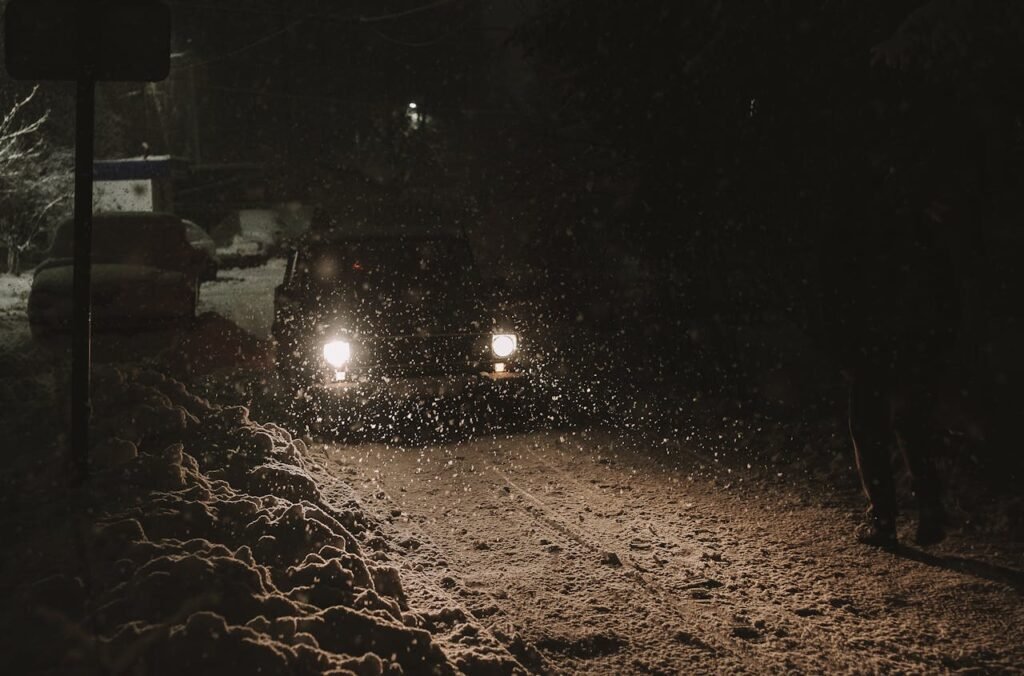
- The Midnight Miracle: If it snows heavily between 3:00 AM and 6:00 AM, your chances are very high. This is the “danger zone” for school buses.
- The Evening Bust: If it snows 6 inches on Sunday night but stops by 10:00 PM, the snowplows have all night to clear the roads. You will likely have school on Monday.
- The Mid-Day Mess: If the snow starts at 10:00 AM, the school might stay open but call for an “Early Dismissal” to get everyone home before the roads get too bad.
Temperature and the “Ice Factor”
It doesn’t always have to be snow. In many cases, freezing rain or sleet is more likely to cause a closure than fluffy snow. Ice is much harder to treat with salt and makes it impossible for 15-ton school buses to stop safely. Additionally, if the wind chill drops below -20°F, many schools will close simply because it is too cold for students to wait at bus stops without risking frostbite.
How Superintendents Make the Call
Have you ever wondered why your school is open while the town next door is closed? The decision falls on the School Superintendent. They have to consider several “entities” before they send that automated phone call or text.
- Road Conditions: Transportation directors drive the roads at 4:00 AM to check for “black ice” and drifting snow.
- Building Safety: They check if the school parking lots are plowed and if the heating systems in the old buildings are working correctly.
- Neighboring Districts: Superintendents often call each other. If five nearby districts close, the sixth one usually follows to keep things consistent for parents who work across town lines.
By the Numbers: Calculating Your Odds
While every storm is different, we can look at historical “facts and figures” to estimate the probability of a cancellation.

| Weather Condition | Estimated Snow Day Chance |
| 1-2 inches of snow | 10% – 20% (Usually just a delay) |
| 5+ inches of snow | 70% – 85% (High probability) |
| Ice Storm / Freezing Rain | 90% (Very dangerous for buses) |
| Extreme Cold (Wind Chill below -20°F) | 80% (Safety risk for walkers) |
Most school districts build about 5 to 7 “inclement weather days“ into their annual calendar. If they haven’t used any by February, they might be more likely to call a snow day even for a smaller storm!
Why Use a Snow Day Calculator?
Instead of just guessing, a Snow Day Calculator uses an algorithm to combine all these factors. It looks at your specific zip code, the current Winter Weather Advisories, and how your specific town has handled snow in the past.
For example, a school in Syracuse, New York, might stay open during 6 inches of snow because they have hundreds of snowplows. However, a school in Raleigh, North Carolina, might close for 1 inch of snow because they don’t have the equipment to clear the roads. A calculator takes these local differences into account to give you a percentage.
Trust and Accuracy: A Note from Our Team
While we use advanced machine learning and official meteorological data to provide an 82% to 92% accuracy rate for “next day” predictions, weather is naturally unpredictable. A sudden shift in wind or a “dry slot” in a storm can change everything in minutes.
Our Commitment to You: We update our data hourly to ensure you have the most current information available. However, always check your local school district’s official website or social media for the final “Official” word.
Pro Tip for Students
Don’t just rely on the “Inside-Out Pajamas” trick! While you wait for our calculator to give you the green light, make sure your laptop is charged and your homework is at least mostly done. If the storm misses your town, you’ll be glad you didn’t stay up all night!
Final Thoughts: Stay Prepared
While we all hope for that School Closed notification, the best thing you can do is stay prepared. Keep an eye on the local news, check your school’s social media, and maybe keep those pajamas on inside out just in case!
FAQs About What Are the Chances of a Snow Day Tomorrow
What time do schools usually announce a snow day?
Most school districts aim to make the final call between 4:30 AM and 6:00 AM. This allows enough time to notify bus drivers and parents before the morning commute begins. In cases of severe, predictable storms, some superintendents may announce a closure the night before to help families plan ahead.
How much snow is needed for a school to close?
There is no “magic number,” as it depends on your region. Northern districts might stay open with 6+ inches, while Southern areas may close for less than an inch. The decision is primarily based on whether school buses can safely navigate side streets and if parking lots can be plowed in time.
Can it be a snow day if there is no snow?
Yes! Schools often close for extreme cold or ice. If wind chills drop below -20°F, it becomes dangerous for students to wait at bus stops due to frostbite risks. Similarly, even a thin layer of “black ice” can shut down schools because it makes roads impassable for heavy buses and student drivers.
How accurate is a snow day calculator?
Short-term predictions (within 24 hours) are typically 80% to 90% accurate. These tools use National Weather Service data, storm timing, and historical local patterns. However, they are estimates, not guarantees. A last-minute shift in the storm’s path can change your results in minutes.
Why is my school open when others nearby are closed?
Each superintendent makes an independent choice based on their specific district resources. One town may have more snowplows or flatter roads, while a neighboring district might have steep hills or older buses that struggle in the cold. Safety is local, so decisions often vary from town to town.